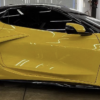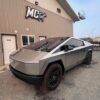
Professional protection built for the way Teslas are engineered. MC Tint is an XPEL-authorized installer providing Tesla-specific window tinting, paint protection film, and ceramic coating from our shop in Ellensburg, WA, serving owners throughout Kittitas County, Yakima, Wenatchee, Issaquah, and Central Washington.


Why Tesla Needs Specialized Protection
Tesla vehicles aren’t built like traditional cars, and they shouldn’t be treated like them in the shop. From the glass to the paint, Teslas present unique challenges that require installers who understand the platform inside and out.
The glass is different. Tesla’s panoramic glass roofs on the Model 3 and Model Y use a multi-layer laminated structure with a polyvinyl butyral (PVB) interlayer that blocks 98–99% of UV radiation, according to Tesla’s specifications. That sounds impressive, and it is for UV. But UV protection and heat rejection are not the same thing.
Tesla’s factory glass still allows significant infrared (IR) energy to pass through, which is the radiant heat you feel on your skin and the heat that builds up inside the cabin. Many Tesla owners are surprised to find interior temperatures climbing past 115°F on summer days despite the UV coating. That’s why ceramic window tint on Teslas addresses the gap the factory glass leaves open: blocking infrared heat while maintaining full visibility through that expansive roof.
The paint is thinner than you’d expect. Tesla uses a water-based paint system that is better for the environment but results in a softer, thinner finish, often just 100–120 microns of total paint thickness compared to 150–200 microns on comparable luxury vehicles (source: DIY Wrap Club / TESBROS). Combined with the aerodynamic body design that channels road debris across the hood and fenders, Model 3 and Model Y owners frequently report rock chips appearing within the first few thousand miles. Paint protection film is not an aesthetic upgrade on a Tesla; it is a practical necessity.
The sensors matter. Teslas rely heavily on cameras, sensors, and Autopilot hardware integrated into the windshield and body panels. Metallic or low-quality tint films can interfere with these systems. We exclusively install XPEL PRIME ceramic films, which use non-metallic nano-ceramic construction that will not interfere with Autopilot cameras, GPS, Bluetooth, cellular signals, or Tesla’s built-in key card system.
Tesla Window Tinting — Engineered for Glass Roofs and Full Visibility
Tesla’s expansive glass is one of its best features, but it also means more solar exposure than almost any other vehicle on the road. Between the full glass roof, the oversized windshield, and the panoramic rear glass, a Model Y has roughly 30% more glass surface area than a typical sedan of the same size. That adds up to a lot of heat, glare, and UV exposure for you and your passengers.
We install XPEL PRIME XR and PRIME XR PLUS ceramic window tint on every Tesla that comes through our shop. Here’s why these films are the right match for the platform:
XPEL PRIME XR PLUS vs. Standard Tint — Performance at a Glance
| Metric | Dyed Film (Budget Tint) | XPEL PRIME XR | XPEL PRIME XR PLUS |
|---|---|---|---|
| Infrared Heat Rejection | 0% | 78% | 96% |
| UV Rejection | 95–99% | 99%+ | 99%+ (SPF 1,000) |
| Signal Interference | None | None | None |
| Color Stability | Lifetime stable | Lifetime stable | Lifetime stable |
| Warranty | Lifetime | Lifetime | Lifetime |
| Recommended for Teslas? | No | Yes | Yes (best option) |
Performance data sourced from XPEL PRIME technical specifications. IR rejection reported at the 780–2500nm range. All values measured on 1/8″ glass per EN 410 methodology.
What Tesla Window Tinting Solves
The primary reason Tesla owners tint isn’t privacy, it’s heat. The XPEL PRIME XR PLUS line blocks up to 96% of infrared radiation even at lighter VLT shades (source: XPEL PRIME spec sheet). That means a nearly invisible 70% VLT film on your windshield and glass roof rejects almost as much heat as a dark 15% film. This is a game-changer for Tesla owners who want to keep the open, airy feel of the glass roof without roasting in their cabin.
Ceramic tint also reduces reliance on the climate control system, which directly impacts range. Less AC demand means more miles per charge, an often-overlooked benefit that matters on long highway drives through Central Washington.
Washington State Tint Law: What’s Legal on Your Tesla
Washington state regulates window tint under RCW 46.37.430. Here’s the quick breakdown:
| Window Position | Sedans (Model 3, Model S) | SUVs (Model Y, Model X) |
|---|---|---|
| Windshield | Non-reflective tint, top 6 inches only | Non-reflective tint, top 6 inches only |
| Front Side Windows | 24% VLT minimum | 24% VLT minimum |
| Rear Side Windows | 24% VLT minimum | Any darkness |
| Rear Window | 24% VLT minimum | Any darkness |
| Max Reflectivity | 35% | 35% |
Important for Tesla Model Y owners: The Model Y is classified as an SUV (multi-purpose vehicle), which means you have significantly more flexibility on the rear side windows and rear glass you can go as dark as you want on those surfaces. We’ll walk you through your options for your specific model during your consultation to make sure your build is fully compliant.
Every MC Tint installation includes the required Washington state compliance sticker placed on the driver’s side window.
Explore Our Comprehensive Window Tinting Packages to Find the Right Fit for Your Vehicle, with Custom Solutions Crafted for Your Preferences and Driving Habits
Tesla Paint Protection Film (PPF) — XPEL ULTIMATE PLUS
Tesla’s thin, soft paint is well-documented in the ownership community. With a total paint stack often measuring under 4.25 mils (roughly 108 microns), there is very little room for error or for later buffing out damage. For context, most German luxury vehicles measure 150–200 microns. Tesla’s paint can realistically withstand only one or two light polishing corrections in its lifetime before the clear coat becomes dangerously thin.
That’s where XPEL ULTIMATE PLUS paint protection film comes in. We install PPF on Teslas as an 8-mil physical barrier that absorbs impacts from rock chips, road salt, sand, gravel, and general road debris before they ever reach the factory finish.
Why PPF Matters More on a Tesla Than Most Vehicles
Three factors make Teslas uniquely vulnerable to paint damage:
- Thinner paint. As noted above, Tesla’s eco-friendly water-based paint system produces a finish that is 20–30% thinner than traditional automotive paint (source: Apogee Detail).
- Aerodynamic debris funneling. The sleek, low-profile front end of the Model 3 and Model Y is designed for maximum efficiency and range. A side effect is that the flat front plane channels airflow and road debris directly across the hood, fenders, and rocker panels at concentrated speeds.
- Instant torque kickback. Electric motors deliver power immediately, which means more aggressive tire spin during acceleration. This throws up more debris from the road surface, affecting not just the Tesla behind you but also adjacent vehicles.
XPEL ULTIMATE PLUS Features
- Self-healing top coat that repairs light scratches and swirl marks with heat exposure
- Optically clear film that won’t yellow, bubble, or peel
- Hydrophobic surface that sheds water, dirt, and contaminants
- Pre-cut patterns available for every Tesla model using XPEL’s DAP (Design Access Program) software for precision fitment
- 10-year manufacturer’s warranty
Common Tesla PPF Coverage Options
| Coverage Level | Areas Protected | Best For |
|---|---|---|
| Partial Front | Front bumper, partial hood (24″), fender edges, mirror caps | Budget-conscious daily drivers |
| Full Front | Full hood, full fenders, front bumper, mirror caps, headlights | Highway commuters and long-distance drivers |
| Full Front + Rockers | Full front package plus rocker panels and A-pillars | Owners in areas with gravel roads or winter salt |
| Full Body Wrap | Every painted surface | Maximum preservation and resale value |
We don’t publish fixed pricing because every Tesla and every owner’s situation is different; your color, your driving conditions, and your protection goals all factor in. Request a custom quote, and we’ll build a recommendation around your specific vehicle and budget.
Tesla Ceramic Coating — Long-Term Gloss and Easy Maintenance
Ceramic coating is the final layer in a complete Tesla protection strategy. Where PPF handles physical impacts (rock chips, scratches, debris), ceramic coating handles chemical and environmental threats, such as bird droppings, tree sap, road tar, industrial fallout, UV damage, and water spotting.
A professional-grade ceramic coating chemically bonds to your Tesla’s clear coat (or to the PPF, if installed) to create a semi-permanent hydrophobic layer that makes the vehicle dramatically easier to clean and maintain. Water, dirt, and contaminants sheet off the surface rather than bond to it.
Ceramic Coating vs. PPF vs. Window Tint — What Each Protects
| Protection Type | Protects Against | Does NOT Protect Against |
|---|---|---|
| Window Tint (XPEL PRIME) | UV rays, infrared heat, glare, and interior fading | Rock chips, scratches on exterior paint |
| PPF (XPEL ULTIMATE PLUS) | Rock chips, scratches, road debris, door dings, paint oxidation | Interior heat buildup, chemical etching if uncoated |
| Ceramic Coating | Chemical stains, UV fading, water spots, and minor surface scratches make cleaning easier | Heavy impacts, rock chips, deep scratches |
| PPF + Ceramic Coating (combined) | All of the above the most comprehensive protection available | — |
Our recommendation for Tesla owners: For the best results, apply PPF first to the high-impact zones, then layer ceramic coating over the entire vehicle (including over the PPF). This combination gives you physical impact protection, chemical resistance, UV defense, and a deep, glossy finish that stays cleaner between washes. It’s the most popular package among Tesla owners at our shop.
Tesla Model 3 Window Tint & Protection
The Model 3 is the most common Tesla on the road and the one we see most often in our shop. Its sleek sedan profile, massive one-piece rear glass panel, and laminated glass roof make it a rewarding but technically demanding vehicle to work on.
Key Model 3 considerations:
The rear glass on the Model 3 is a single large piece that extends from behind the rear seats to the trunk lid. Tinting this panel requires an oversized roll of film and experienced hands. Many shops don’t stock the right width or don’t have the experience to apply a single piece without seams. At MC Tint, we apply the Model 3 rear glass as a single piece for a clean, seamless finish.
The Model 3 is classified as a sedan under Washington state law, which means the 24% VLT minimum applies to all windows (front, rear sides, and rear glass). We typically recommend XPEL PRIME XR PLUS at 30% VLT on the sides and rear, with a 70% ceramic tint on the windshield and roof glass for heat rejection without darkening the view.
For PPF, the Model 3’s low nose and flat hood profile make the full front package the most popular choice. The A-pillars and rocker panels are also common add-ons, especially for owners who commute over mountain passes in Kittitas County.
Tesla Model Y Window Tint & Protection
The Model Y is Washington state’s best-selling EV, and its SUV classification gives owners a significant advantage when it comes to tint options. Because the Model Y is a multi-purpose vehicle, there is no VLT restriction on the rear side windows or rear glass; you can go as dark as you want behind the B-pillar.
Key Model Y considerations:
The Model Y’s glass roof is even larger than the Model 3’s, extending nearly the full length of the cabin. This means more heat gain and more IR exposure for rear passengers, making ceramic tint on the roof glass essentially a must-have in Central Washington summers.
The Model Y’s taller ride height and wider wheel track also make it slightly more susceptible to picking up road debris on the lower body panels. We recommend considering rocker panel PPF in addition to the standard full front package, particularly if you regularly drive on Highway 97 or rural roads around Ellensburg, Cle Elum, or the Yakima Valley, where gravel shoulders and chip-seal surfaces are common.
For ceramic coating, the Model Y’s larger painted surface area than the Model 3 means more coverage is needed, but the payoff is significant the coating makes washing the tall, flat sides and liftgate dramatically easier, especially in the winter months when road salt and grime accumulate quickly.
Other Tesla Models We Service
While the Model 3 and Model Y make up the majority of Tesla work at our shop, we also provide window tinting, PPF, and ceramic coating for:
- Model S: The flagship sedan with a unique curved windshield and updated, refreshed glass. Treated as a sedan under Washington tint law (24% VLT all around). The Model S’s large hood surface benefits greatly from full front PPF.
- Model X: Tesla’s SUV with falcon-wing doors presents unique PPF installation challenges around the door sills and hinge points. We have the templates and experience to handle the Model X properly.
- Cybertruck: The stainless steel body doesn’t need traditional PPF, but the glass and interior absolutely benefit from ceramic window tint. We install ceramic tint on the Cybertruck’s large windshield and rear glass to reduce heat absorption.
Every Tesla that comes through our shop gets the same level of care, precision-cut XPEL patterns, a controlled installation environment, and a thorough post-installation inspection.
Why Tesla Owners in Central Washington Choose MC Tint
- XPEL-authorized installer: We carry the full XPEL product line, PRIME XR PLUS window film, ULTIMATE PLUS PPF, and FUSION PLUS ceramic coating. Authorization means we have direct factory training, access to XPEL’s DAP software for precision-cut patterns, and can register your XPEL warranty on your behalf.
- Tesla-specific experience: We understand the nuances of the sensor placement, the single-piece windshield, the soft paint, the massive glass panels, and the electrical architecture. We don’t treat your Tesla like a Camry.
- Central Washington’s climate demands it: Ellensburg sits at about 1,500 feet elevation in the Kittitas Valley, where summers regularly push past 95°F with intense high-desert UV exposure, and winters bring road salt, gravel, and freeze-thaw cycles. Your Tesla faces more environmental stress here than most West Side owners realize. Proper tint, PPF, and coating aren’t luxury upgrades in this climate; they’re smart maintenance.
Locally rooted, regionally trusted. We serve Tesla owners from Ellensburg, Cle Elum, Yakima, Wenatchee, East Wenatchee, Issaquah, Moses Lake, Richland, and everywhere in between. Check out our 5-star Google reviews and see the quality of our work in our portfolio.
Frequently Asked Questions (FAQs)
Does Tesla's factory glass roof already block UV rays?
Yes, Tesla’s glass roof blocks approximately 98–99% of UV radiation through its multi-layer laminated construction. However, UV protection is only part of the equation. The factory glass does not adequately block infrared heat, which causes the cabin to heat up and makes the roof glass hot to the touch. Ceramic window tint, like XPEL PRIME XR PLUS, addresses this by blocking up to 96% of infrared energy while preserving the roof’s clarity and openness.
Will window tint interfere with my Tesla's Autopilot cameras or sensors?
Not with the films we install. XPEL PRIME uses non-metallic nano-ceramic particle construction, which means zero interference with Autopilot cameras, radar, Bluetooth, cellular signals, GPS, or key card functionality. Metallic-based tint films can cause these problems, which is why we don’t use them.
Is the Model Y classified as a sedan or SUV for Washington tint laws?
The Model Y is classified as a multi-purpose vehicle (SUV) under Washington state law. This means the front-side windows must allow at least 24% VLT, but the rear-side windows and rear glass can be any darkness you choose. The Model 3, Model S, and Plaid are classified as sedans, which means 24% VLT applies to all windows.
How long does a full Tesla tint, PPF, and ceramic coating job take?
Installation time depends on the service. Window tinting on a full vehicle typically takes 2 to 4 hours. Ceramic coating typically takes a full business day plus cure time. PPF installation times vary, we’ll provide a clear timeline when you request your quote.
Do I need PPF on my Tesla if I already have ceramic coating?
Yes, if you want physical impact protection. Ceramic coating provides chemical protection and UV defense and makes your Tesla easier to clean, but it is a liquid-applied layer that is too thin to stop a rock chip or a deep scratch. PPF is a thick urethane film (8+ mils) that physically absorbs impacts. The two products solve different problems, and the best outcome is to combine them.
Can you tint the windshield on a Tesla?
Yes. We offer a clear or lightly tinted ceramic film (typically 70% VLT) for the windshield that blocks significant IR heat without meaningfully reducing visibility. This is especially popular on Teslas because the single-piece windshield is so large and lets in a substantial amount of solar energy. Washington law allows non-reflective tint on the top 6 inches of the windshield, and a 70% VLT ceramic film across the full windshield maintains legal compliance.
Protect Your Tesla the Right Way
Your Tesla was engineered differently; it deserves protection that’s installed by a shop that understands the difference. Whether you’re looking for heat-rejecting ceramic tint on the glass roof, XPEL PPF on the hood and bumper, or a full ceramic coating to keep the finish showroom-fresh, MC Tint has the products, the training, and the Tesla-specific experience to get it done right.
Serving Ellensburg, Kittitas County, Yakima, Wenatchee, Issaquah, and all of Central Washington.