You just drove off the lot with a brand-new car, and the paint has never looked better. But here’s what most new car owners don’t realize: every mile you drive chips away at that finish. Rock strikes on I-90 through Ellensburg and US-97, intense UV exposure at Central Washington’s 1,500+ foot elevation, and summer heat that can crack dashboards and fade seats, it all starts the moment you leave the dealership. New car paint protection isn’t about being paranoid. It’s about being practical. Two products, paint protection film (PPF) and window tint, address different threats to your vehicle, and understanding how they work together can save you thousands in damage, depreciation, and discomfort over the life of your car.
Ready to protect your new car? Request a free quote from MC Tint Central Washington’s XPEL-authorized installer.
Why Your New Car Needs Protection Now — Not Later
The biggest misconception about new car protection is that you can wait. You can’t, or at least, waiting costs you. According to Kelley Blue Book, new cars lose roughly 20% of their value in the first year alone. By year five, the average vehicle is worth only 40% of its original purchase price. Anything you can do to slow that depreciation curve, especially preserving exterior paint condition and interior quality, directly protects your investment.
Central Washington makes the case even more urgent. Here’s what your new car faces every day:
| Threat | Central Washington Context |
| UV radiation | Ellensburg sits at ~1,500 ft elevation. UV intensity increases roughly 4–5% per 1,000 ft of elevation gain, meaning your paint and interior take a harder hit than vehicles at sea level. |
| Rock chips and road debris | I-90, US-97, and SR-970 see heavy truck traffic and construction activity. Gravel shoulders and chip-sealed rural roads constantly kick up debris. |
| Temperature swings | Summer highs above 100°F and winter lows well below freezing cause expansion and contraction cycles that stress paint, clear coat, and interior materials. |
| Bug acids and tree sap | Seasonal insect swarms along the Yakima River corridor and cottonwood sap leave acidic residue that etches the clear coat if not addressed quickly. |
The sooner you protect your car, the less damage there is to protect against. That’s the simple math.
What Is Paint Protection Film (PPF)?
Paint protection film is a transparent, thermoplastic urethane layer applied to your car’s exterior painted surfaces. Think of it like a screen protector for your paint. Quality PPF, like the XPEL films we install at MC Tint, is virtually invisible and does three critical things:
- Absorbs physical impact. Rock chips, gravel spray, shopping cart dings, and door-edge strikes hit the film instead of your paint. The film takes the damage, so your clear coat doesn’t.
- Self-heals minor scratches. Premium PPF like XPEL Ultimate Plus uses a self-healing top coat; light swirl marks and surface scratches disappear within minutes when exposed to heat from the sun or warm water.
- Blocks UV degradation. Prolonged UV exposure oxidizes and fades paint. PPF filters UV rays to preserve your car’s factory color and gloss. XPEL films carry the Skin Cancer Foundation’s Seal of Recommendation for UV protection, a meaningful quality benchmark.
A professionally installed PPF can last 7–10+ years with proper care, according to Edmunds. That’s most of the ownership period for the average driver, and it means your paint stays protected through the steepest depreciation years.
Where Should You Apply PPF on a New Car?
Not every car needs full-body coverage. PPF works best on high-impact zones, and you can scale coverage to fit your budget and driving habits:
- Partial front end (hood, bumper, fenders, mirrors): The most popular option. Protects the areas most exposed to highway debris. This is the sweet spot for most daily drivers in Central Washington.
- Full front end plus rocker panels and door edges: Ideal if you frequently drive I-90 between Ellensburg and the Seattle metro, where semi-truck traffic kicks up significant debris.
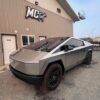
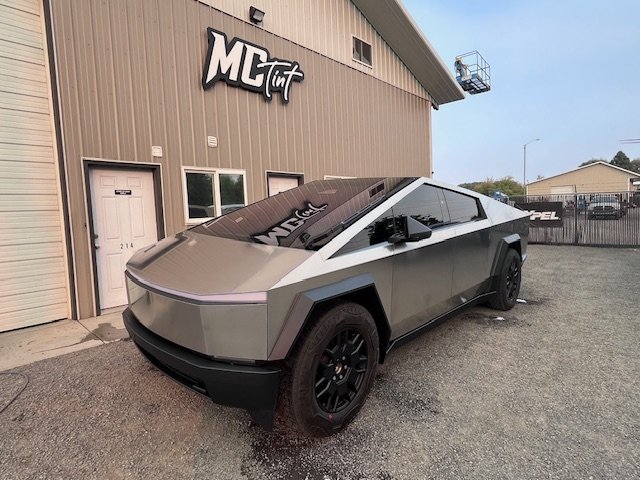
- Full body wrap: Best for high-value vehicles, Teslas, and cars with soft factory paint. If you’re driving a Tesla, PPF is especially worth considering. Tesla’s water-based paint is thinner than average and more vulnerable to rock chips.
The honest truth: partial front-end coverage handles 80%+ of the real-world damage most drivers encounter. Full wraps make sense for specific situations, but they’re not the only smart choice.
What Does Window Tint Actually Do?
Window tint protects the inside of your car and the people in it. While PPF shields exterior paint, window tint addresses UV exposure through glass, cabin heat, glare, and privacy. They solve fundamentally different problems, which is why pairing them makes sense.
UV Protection and Health
This is the most important benefit, and it’s the one most people underestimate. According to the Skin Cancer Foundation, standard side and rear windows block most UVB rays but allow UVA rays to pass through freely. UVA accounts for up to 95% of UV radiation reaching the Earth’s
surface, and it’s the primary driver of skin aging and skin cancer risk. In the U.S., melanoma and nonmelanoma skin cancers are more common on the left side of the body, the driver’s side, because of cumulative UV exposure through car windows.
High-performance ceramic window tint like XPEL PRIME XR Plus blocks over 99% of UV radiation across all wavelengths. The Skin Cancer Foundation recommends UV-protective window film as part of a comprehensive sun protection strategy, and XPEL films carry the Foundation’s Seal of Recommendation.
Heat Rejection and Comfort
Premium ceramic tint does more than block UV; it rejects a significant portion of infrared heat. XPEL PRIME XR Plus rejects up to 98% of infrared energy, which translates to a noticeably cooler cabin even on the hottest Central Washington summer days. Less reliance on air conditioning means better fuel economy and less strain on your HVAC system.
Interior Preservation
UV and heat are the two biggest enemies of your car’s interior. Without protection, dashboards crack, leather seats fade and dry out, and steering wheels become discolored. A quality window tint dramatically slows this process, keeping your interior looking and feeling newer for longer.
Glare Reduction and Safety
Sun glare is a real driving hazard, especially during early-morning and late-afternoon commutes on east-west highways like I-90. Window tint reduces glare intensity, improving visibility and reaction time without making windows too dark to see through comfortably.
Privacy and Security
Tinted windows make it harder for someone to see valuables inside your vehicle. It’s a simple deterrent, but an effective one. Just keep in mind that Washington state has specific tint laws that limit how dark your front side windows can be. Working with a professional installer ensures you stay compliant.
PPF vs. Window Tint: What Each One Protects
PPF and window tint aren’t interchangeable; they protect different parts of your car against different threats. Here’s how they compare:
| Paint Protection Film (PPF) | Window Tint | |
| What it protects | Exterior painted surfaces (hood, bumper, fenders, doors, rocker panels) | Vehicle interior, occupants’ skin, and glass |
| Primary threats addressed | Rock chips, scratches, bug acids, bird droppings, tree sap, UV oxidation | UV radiation through glass, cabin heat, sun glare, and interior fading |
| UV protection | Protects paint from UV fading/oxidation | Blocks 99%+ of UV rays reaching occupants and interior surfaces |
| Heat rejection | Minimal is not designed for heat management | Ceramic tint rejects up to 98% of infrared heat |
| Self-healing | Yes, premium films self-heal light scratches with heat | No |
| Typical lifespan | 7–10+ years with proper care | 10–15+ years (quality ceramic films) |
| Cost range* | $500–$2,500+ (partial) | $3,000–$8,000+ (full wrap) | $200–$800+ (full vehicle, varies by film type) |
| Visibility | Virtually invisible on paint | Ranges from clear UV film to dark privacy tint |
| Best for | Preserving exterior paint condition and resale value | Protecting occupants, interior comfort, and privacy |
*Cost ranges are general estimates and vary by vehicle size, coverage area, and film quality. Request a personalized quote for accurate pricing on your vehicle.
How PPF and Window Tint Work Together
Think of it this way: PPF is body armor for your paint. Window tint is sunscreen for everything inside the glass. Neither one does the other’s job, but together they cover your vehicle from every angle.
Here’s a practical example for a new car owner in Central Washington:
- Scenario: You just bought a new SUV, and you’re commuting daily on I-90 between Ellensburg and Cle Elum.
- PPF on the front end protects against the unavoidable rock chips and road debris on that stretch of highway.
- Ceramic window tint on all windows blocks the UV radiation and heat that pour through the glass during summer commutes, protects your interior from fading, and reduces the blinding glare from the afternoon sun heading westbound.
The result: your paint stays chip-free, your interior stays like-new, and your cabin stays cooler for years. That’s the practical case for doing both, and it’s why most of our customers at MC Tint in Ellensburg choose a combination package.
Why We Install XPEL and Why It Matters for Your Car
Not all films are created equal, and the brand your installer uses has a direct impact on how long your protection lasts and on its appearance. MC Tint is an XPEL-authorized installer, which means:
- Precision-cut patterns: XPEL’s proprietary DAP (Design Access Program) software pre-cuts film templates specific to your vehicle’s exact make, model, and year. This eliminates freehand cutting on your paint surface, delivering cleaner, tighter edges.
- Warranty-backed products: XPEL’s manufacturer warranty covers defects like yellowing, cracking, bubbling, and delamination. That warranty is only valid through authorized installers, which is why where you go matters as much as what you buy.
- Skin Cancer Foundation recognition: XPEL films carry the Skin Cancer Foundation’s Seal of Recommendation for UV protection. That’s a third-party endorsement you won’t find on bargain films.
New Car Paint Protection and Resale Value
Here’s where the math gets interesting. According to CarFax, a new car’s value drops roughly 20% in the first year and continues to decline at approximately 15% per year after that. By year five, the average vehicle retains only about 40% of its purchase price. On a $45,000 vehicle, that’s $27,000 in lost value.
Condition is one of the few depreciation factors you can actually control. A car with chip-free paint, a pristine interior, and no UV damage presents better, appraises better, and commands a higher price whether you’re selling privately or trading in at a dealer. PPF and window tint won’t eliminate depreciation, but they help your car hold onto more of its value through the years when depreciation hits hardest.
Choosing the Right Protection for Your Situation
There’s no single right answer here, and anyone who tells you otherwise is selling you something. The best protection depends on your budget, your vehicle, and how you drive.
Here’s a practical framework:
- If you’re on a tight budget, start with ceramic window tint. It’s the most affordable investment with the broadest daily impact UV protection, heat reduction, glare control, and interior preservation. You can always add PPF later.
- If you drive highways daily, prioritize PPF on the front end. Commuters on I-90, US-97, and US-2 experience the most rock-chip exposure, and front-end PPF is the single best defense.
- If you want the best overall protection, combine PPF on high-impact areas with ceramic window tint on all glass. This is the most comprehensive approach, and it’s what we recommend for new car owners who plan to keep their vehicle for 5+ years.
- If you have a Tesla or a luxury vehicle, strongly consider full-body PPF plus ceramic tint. Tesla paint is notoriously thin, and luxury vehicles have the most to protect in terms of resale value.
For a more detailed look at window tint options, check out our guide to ceramic vs. carbon vs. regular window tint.
Frequently Asked Questions
Should I get PPF on a new car?
If preserving your paint condition matters to you, yes. The best time to apply PPF is when the paint is still perfect, before any chips or scratches accumulate. Even partial front-end coverage protects the most vulnerable areas and is significantly cheaper than repainting a damaged hood or bumper.
Is paint protection film worth the cost?
For most new car owners, yes. A single professional paint repair on a hood or bumper can cost $500–$1,500+. PPF prevents that damage from happening in the first place, and quality films last 7–10 years. When you factor in avoided repairs and better resale value, the math works in your favor for vehicles you plan to keep more than a few years.
Do new cars need window tint?
Your car’s factory glass blocks most UVB rays, but it does very little to stop UVA rays, the ones most closely linked to skin cancer and interior damage. The Skin Cancer Foundation recommends aftermarket UV-protective window film as part of a comprehensive sun-protection strategy. Beyond health benefits, ceramic tint significantly reduces cabin heat and glare, making every drive more comfortable.
Can I get window tint and PPF installed at the same time?
Absolutely. Most of our customers do. Combining both services into a single appointment saves you a trip and ensures everything is installed while your car remains in pristine condition.
Will PPF damage my car’s paint when it’s removed?
No — when professionally installed and removed, quality PPF comes off cleanly without damaging the underlying paint. This is one of the key reasons to work with an authorized installer who uses trusted products like XPEL.
How dark can I tint my windows in Washington state?
Washington law allows any level of darkness for rear and back windows, but front side windows must allow at least 24% visible light transmission. The windshield may have only a non-reflective tint strip along the top. A professional installer will make sure your tint meets state requirements.
Is ceramic tint worth the upgrade over regular tint?
For most drivers, yes. Ceramic tint blocks more heat and UV without using metals (which can interfere with electronics and GPS signals). It also won’t fade or turn purple over time like dyed films. The upfront cost is higher, but the performance and longevity are significantly better.
Protect Your New Car Before the Damage Starts
Every mile you drive is a mile your car’s paint and interior are exposed to the elements. The sooner you act, the more you protect. MC Tint is Central Washington’s XPEL-authorized installer, serving Ellensburg, Yakima, Wenatchee, Cle Elum, and surrounding areas with professional window tint and paint protection film installation. We back every installation with a 100% money-back guarantee. Get your free quote today and find out what it costs to keep your new car looking new.